

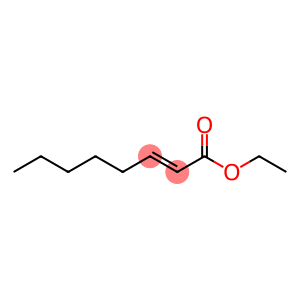
Ethyl Trans-2-Octenoate(CAS#7367-82-0)
Physical & Chemical Properties
- Appearance: Colorless to slightly yellow transparent liquid
- Odor Profile: Fruity, pear peel, tropical fruit, with a fatty nuance, classified as fruity-type (fruity)
- Density: 0.88–0.883 g/mL (25 °C)
- Boiling Point: 215.6 °C (760 mmHg) or 222 °C (literature value)
- Flash Point: 92.5 °C (open cup) or 209 °F (approx. 98.3 °C)
- Refractive Index: n₂₀/D 1.4410 (lit.)
- LogP: 2.686–3.97 (varies by source)
- Solubility: Soluble in ethanol, ether, chloroform, and other organic solvents
Safety & Storage
- GHS Pictogram: GHS05 (Corrosive)
- Hazard Statement:
- H314: Causes severe skin burns and eye damage
- Precautionary Statements:
- P260: Do not breathe vapors
- P280: Wear protective gloves, eye protection, and face protection
- P305 + P351 + P338: IF IN EYES: Rinse cautiously with water for several minutes. Remove contact lenses, if present and easy to do. Continue rinsing
- P310: Immediately call a poison center or doctor
- WGK Germany: 3 (Severe hazard to aquatic environment)
- Storage Conditions: Store at room temperature, in a dry, light-resistant sealed container, away from oxidizing agents and strong bases
Uses & Applications
- Fragrance & Flavor:
- Used as a fruity-type flavoring agent, especially in pear, tropical fruit, and green-type fragrance formulations
- Widely applied in beverages, candies, baked goods, and personal care products
- Serves as a precursor to natural aroma components, enhancing the authenticity and complexity of fragrances
- Food Additive:
- Listed as JECFA No. 1812, approved for use in food flavoring
- Not explicitly included in FEMA GRAS list, but recognized as a legal ingredient in flavor industry practice
- Research & Biochemical Reagent:
- Used in olfactory receptor studies and flavor metabolism research
- Acts as an organic synthesis intermediate for constructing more complex esters or functional molecules
- Industrial Raw Material:
- Used to synthesize other flavor derivatives, such as ethyl (E)-2-octenoate analogs or methyl esters, expanding its application in fragrance chemistry
Synthesis Method
Typically synthesized via acid-catalyzed esterification of trans-2-octenoic acid with ethanol. Alternative routes include olefin carbonylation or microbial fermentation. Purification is achieved through vacuum distillation or column chromatography.
⚠️ Note: This product is a chemical substance, not for direct consumption or medicinal use. For industrial, research, or flavor formulation purposes only. Purchase requires appropriate qualifications.
Write your message here and send it to us


.gif)